
6. Vulture funds in the shadow of BlackRock

Updated: May 15
In 2021, the covid pandemic made the debt crisis even worse, causing the default of countries like Sri Lanka, Zambia or Lebanon.
In the negotiations over debt cancellations and rescheduling, BlackRock presents itself as the defender of small savers who would stand to lose their hard-earned pension if countries at risk of default were to waive their duty to creditors.
In practice though, no one ever heard small savers complaining about developing economies canceling their debts to private financiers (please contact me if you have heard otherwise). The true identity of the private bondholders who detain the larger part of the public debt at risk of default is largely unknown. According to a Eurodad report from 2022, only 24% of the private bondholders for developing economies have been identified.

To paraphrase Daniel Munevar, the quickest way to reveal these secret creditors would be for debtor countries to suspend payment unilaterally, and wait for creditors to manifest themselves.
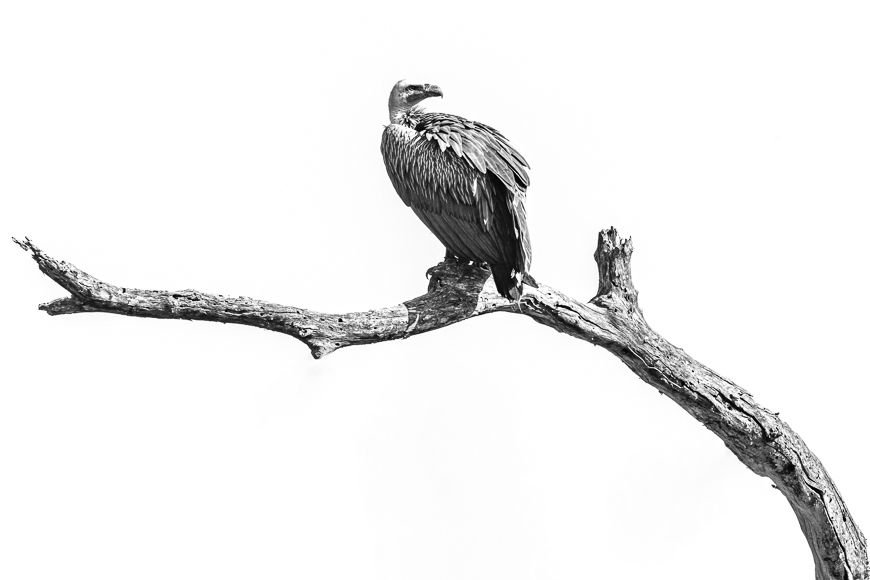
Transparency in the identity of creditors of sovereign debt is limited everywhere, because the law tends to protect private creditors against asymmetrically large debtor states. But in the case of developing countries, this asymmetry is often reversed, as is plainly the case with BlackRock. In many stories of debt rescheduling, bondholders holding out of IMF negotiations turned out to be litigious hedge funds, also known as vulture funds. Their line of business is to buy sovereign debt when the price is at its lowest point, at the brink of default, in order to claim payment of the debt with interest in front of a court in London or New York.
The simple presence of vulture funds is often enough to discourage a government from defaulting, because a refusal to pay up could signify a punitive court sentence, and the indignity of a trial would make it even more difficult to access financial markets to finance their next public budget.
Vulture funds take advantage of multilateral negotiations set up by the International Monetary Fund by knowing the country at risk of default will contract a new debt with the IMF to pay the previous one. Vulture funds typically recover 5 to 20 times their initial investment, between 300% and 2000% of return, which is paid on the back of the living conditions of the poorest populations.
Their toxic presence has been acknowledged and measures have been taken to limit their activity by adding certain provisions in the debt certificates. But poorer nations are the most likely to issue debt without these provisions, according to the Eurodad report.
This means debt vultures are very much alive, and BlackRock, when it defends bondholders who risk losing their investments in case of debt cancellation, is actually defending the interests of vulture funds. One could also say that vulture funds are hiding in the shadow of BlackRock while the giant takes charge of defending private bondholders. But really, their interests are reciprocal.
Through shared ownership and mutual investments, the customers of BlackRock and vulture funds are the same: the largest private fortunes of the globe.
The commonality of stake between vulture funds and wealthy financiers is perceivable in the story of a famed vulture investor Kenneth Dart, who left his old ways of speculating on the debt of poor countries to become a real estate magnate in the Cayman islands, to the point that local authorities are unable to contain the expansion of his luxurious resorts, destined for the financial jet set. The vulture is buying up the island.
Vulture funds often elect domicile in tax havens for the zero tax rate and the high degree of financial secrecy allowing them to evade scrutiny from regulators. But tax havens also attract traders in commodities, for the same reasons.
While vulture funds cash in on the debt of developing countries, commodity traders extract the value of the natural resources in the same countries. Both of them enjoy the azure waters of the Caribbeans, and both of them attract global investors like BlackRock because of their ruthless policy of putting return on investment above anything else.
This article is the sixth in a series: Sink logic: how BlackRock and tax havens worsen the climate and debt crisis


Comments